Preserving meaning across forgotten languages.
Translating faster without sacrificing meaning.
Traditional Bible translation can take 20-25 years, making it difficult to preserve languages before they disappear.
Avodah Connect is an AI-assisted Bible translation platform that combines AI-powered translation with collaborative human review to help preserve forgotten languages.
The opportunity was to redesign the product into a multi-role platform with dedicated experiences for administrators to manage projects and contributors, and contributors to translate, collaborate, review, and approve translations with AI-assisted support.
Redesigning the platform from the ground up.
Partnering closely with the product manager, I translated product requirements into a redesigned multi-role platform, validating each feature in bi-weekly reviews with internal account managers who worked directly with translation contributors.
I referenced industry examples and competitor patterns to validate workflow decisions against familiar user expectations. As new requirements emerged, I designed scalable experiences, extended the design system, and documented detailed interaction requirements, behaviors, and edge cases in Figma to support engineering handoff.
Designing a multi-role translation platform.
I designed a connected, multi-role platform that balanced administrator oversight with contributor workflows, integrating AI assistance throughout the translation experience.
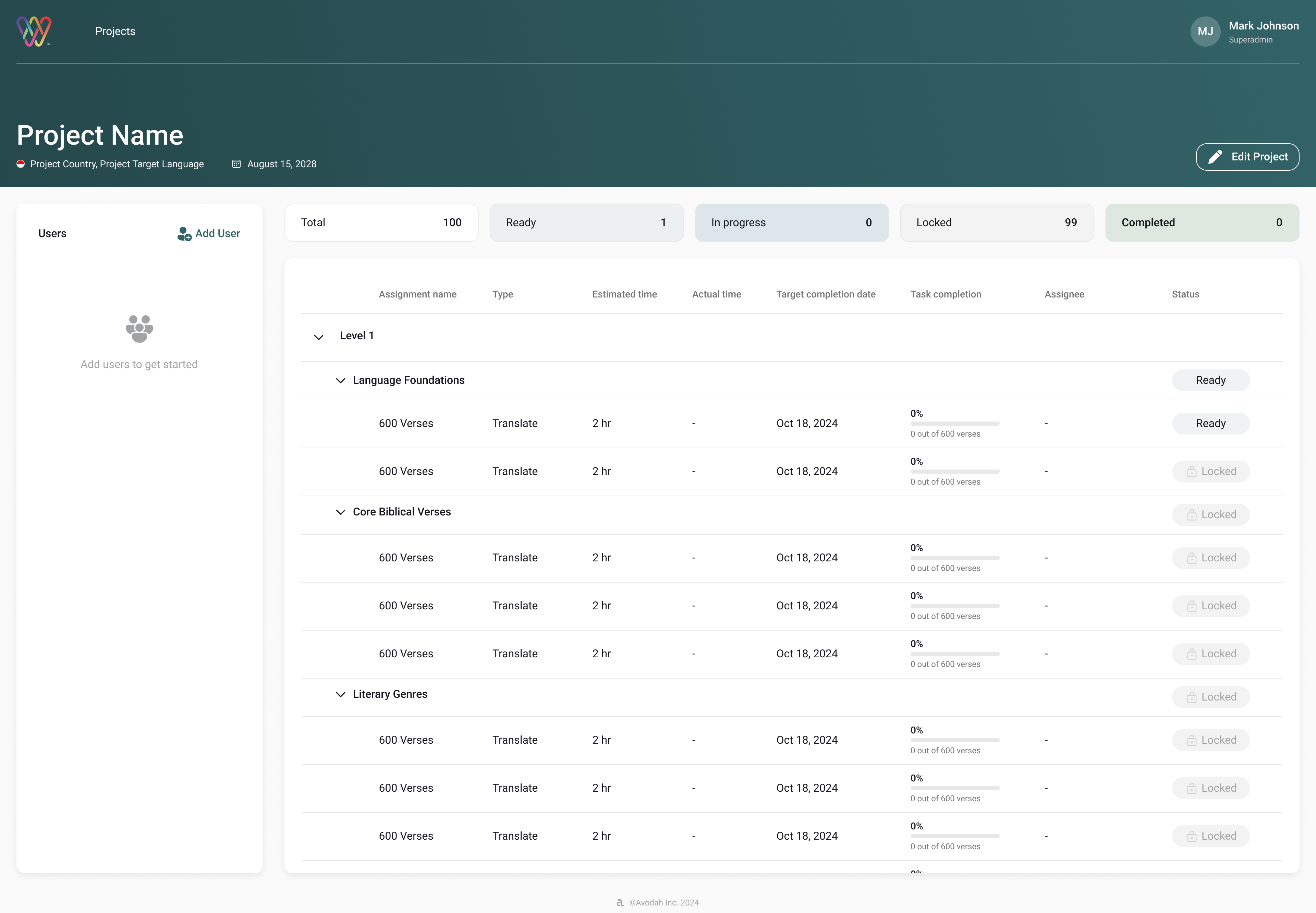
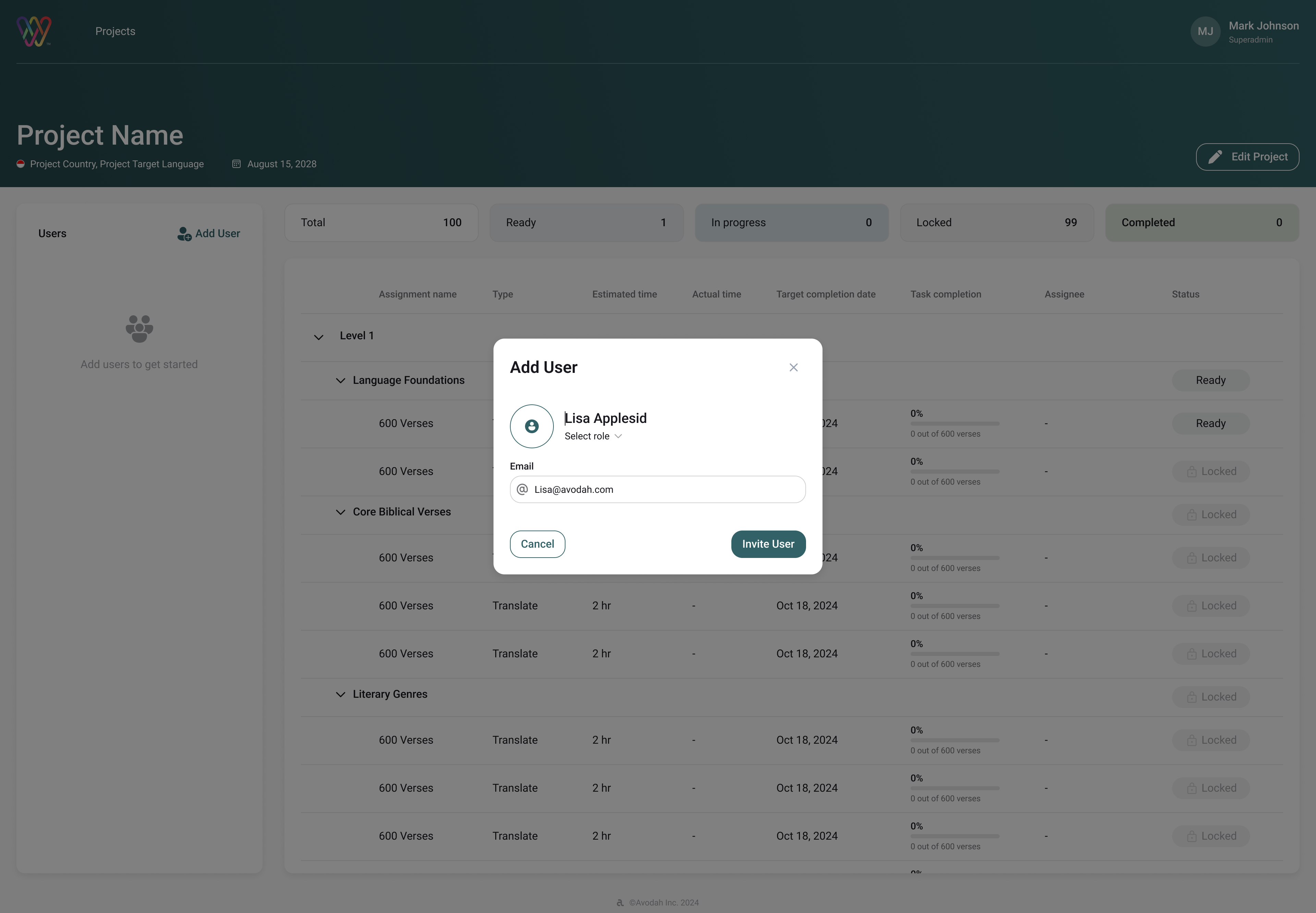
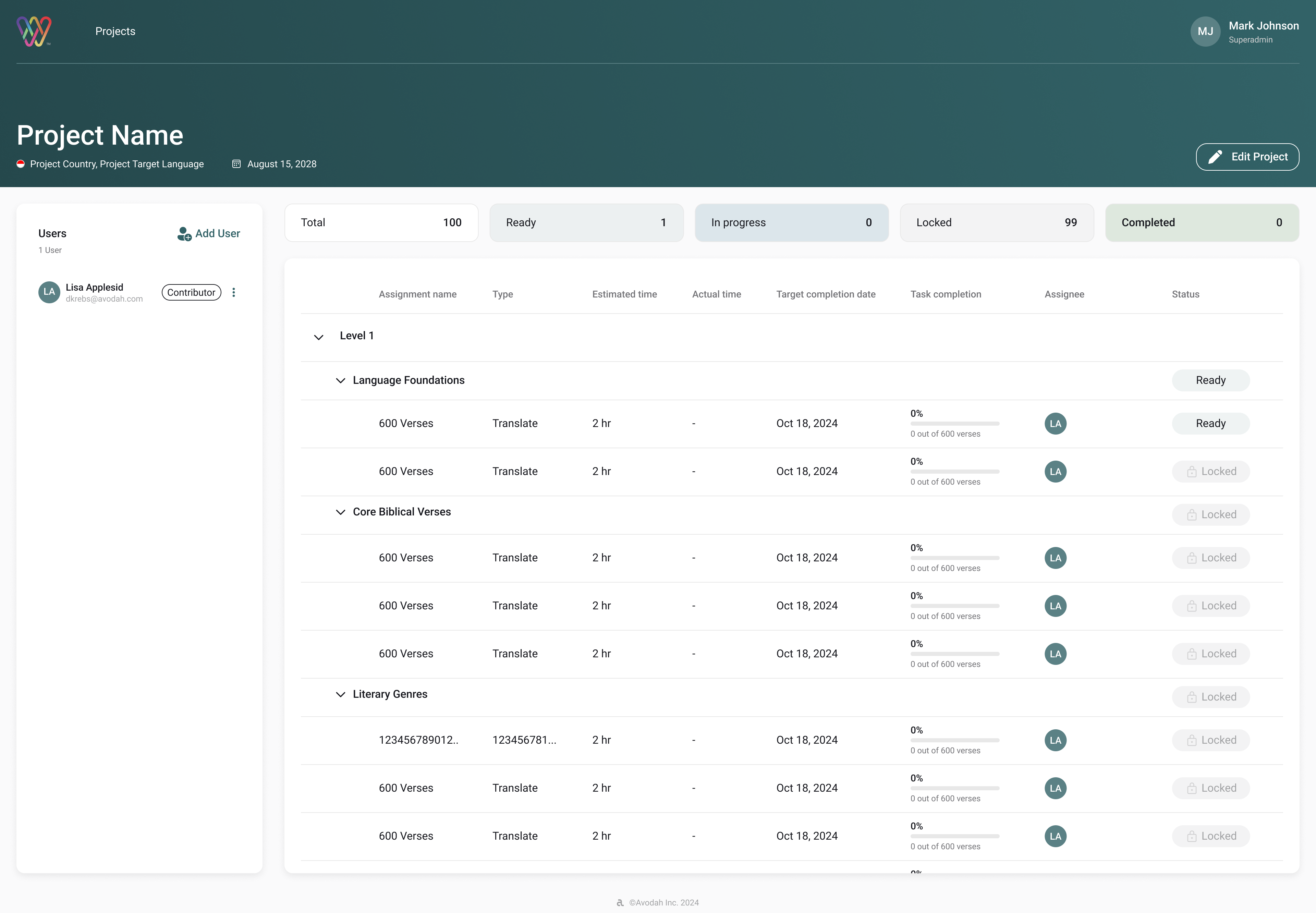
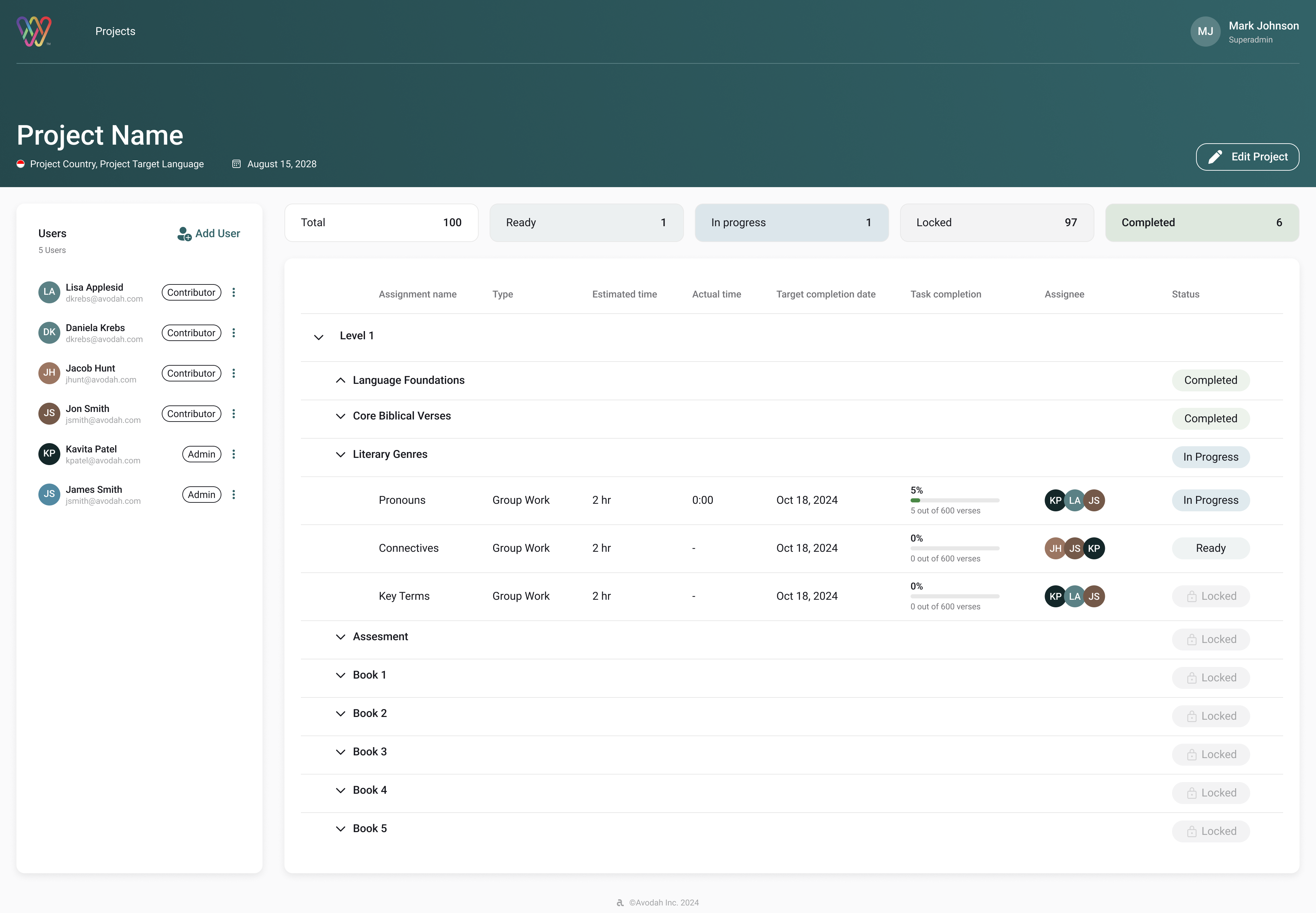
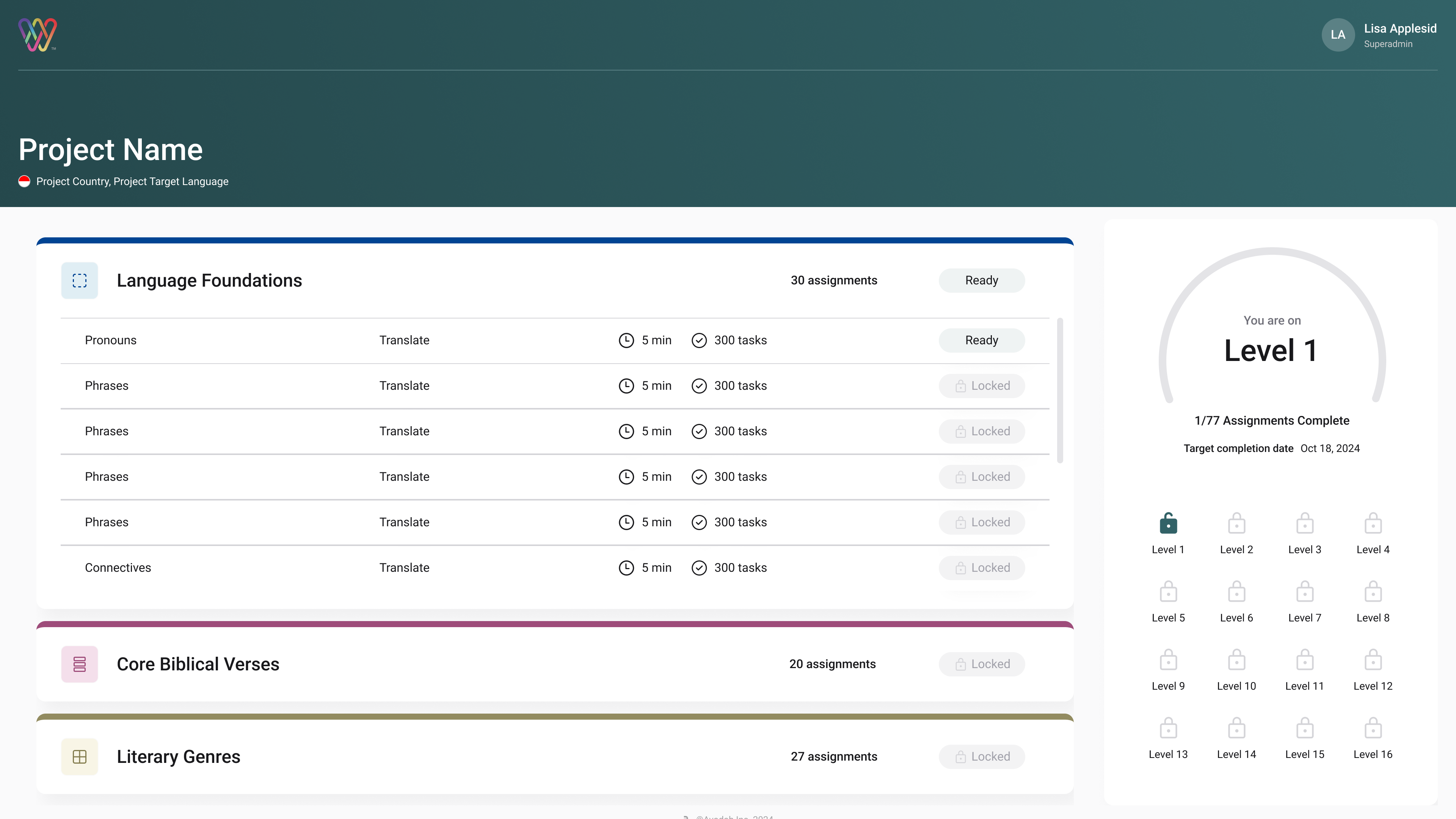
Admin project management
Administrators needed to quickly understand project health and keep translation projects moving forward, so I designed a centralized workspace that surfaced project status, contributor assignments, and progress at a glance, making it easy to identify issues and take action quickly.
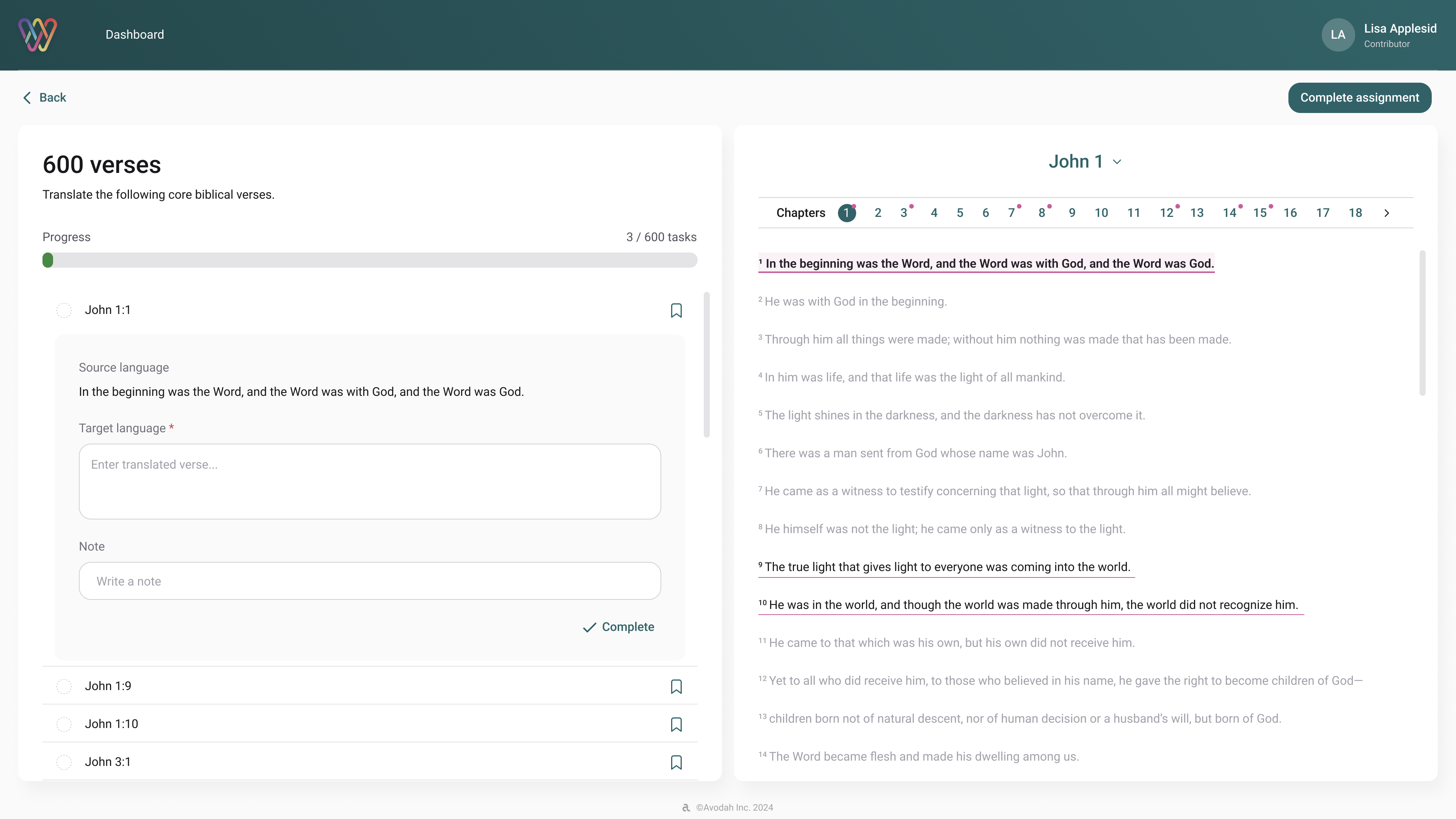
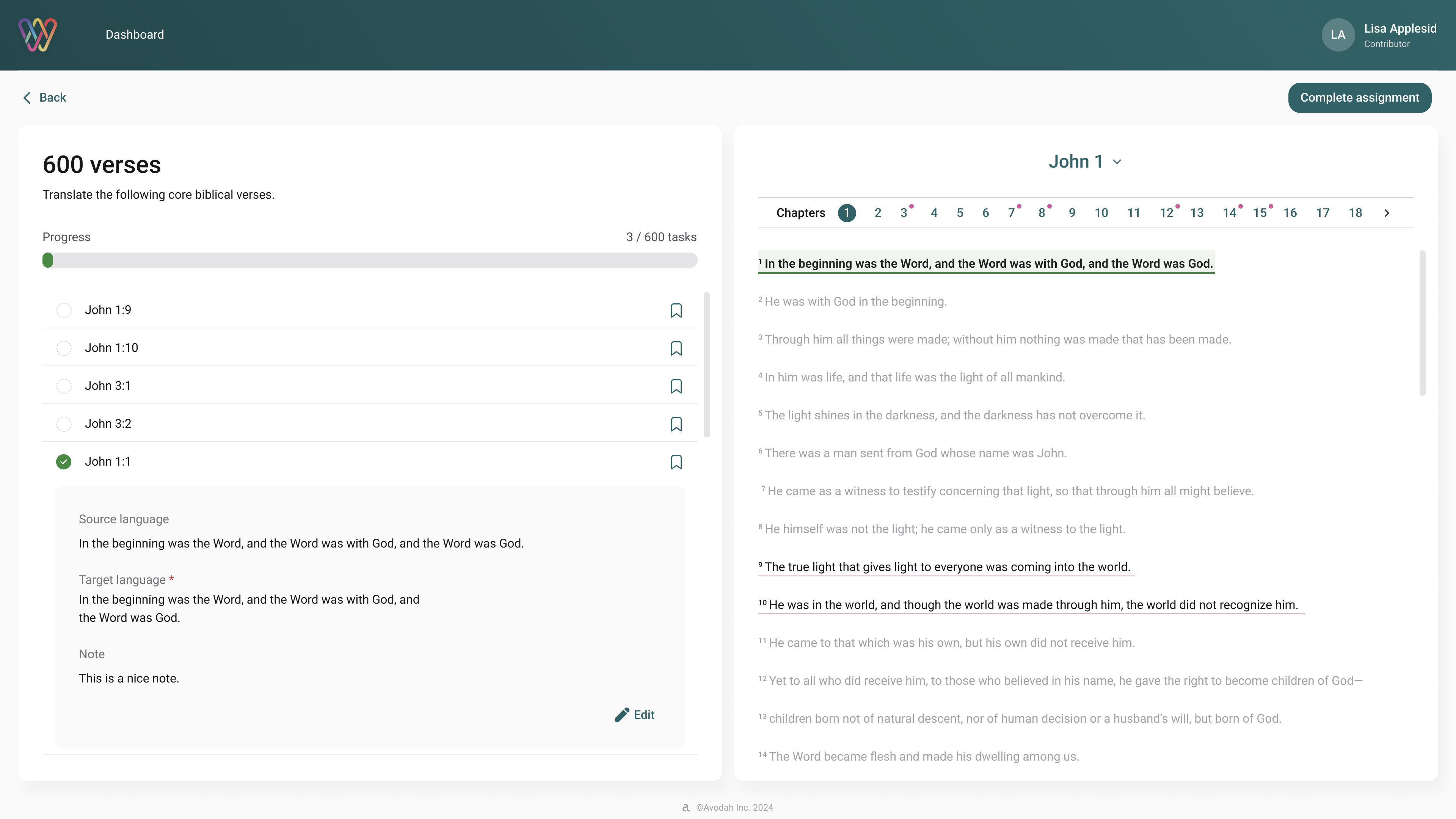
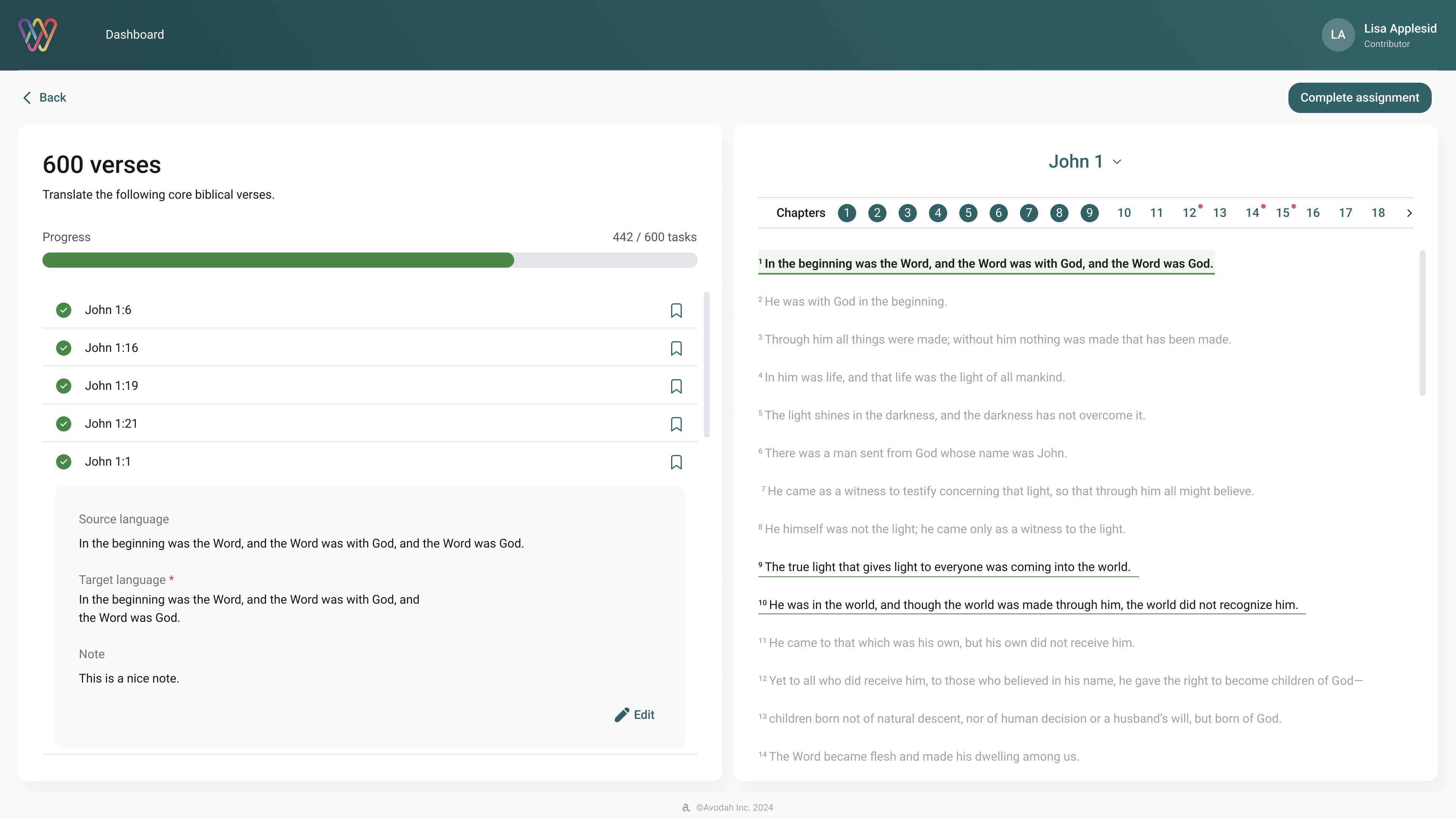
Contributor translation workspace
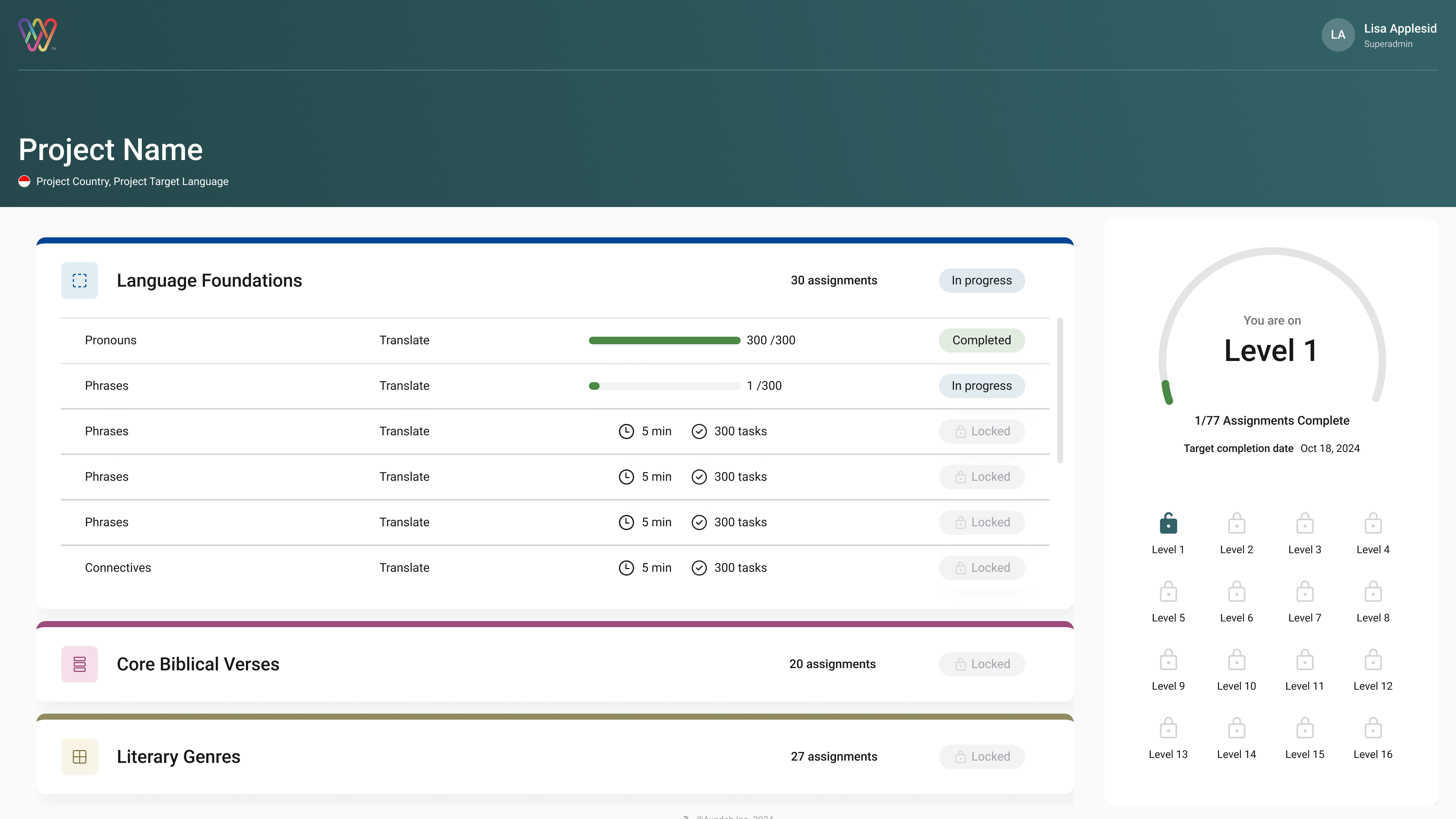
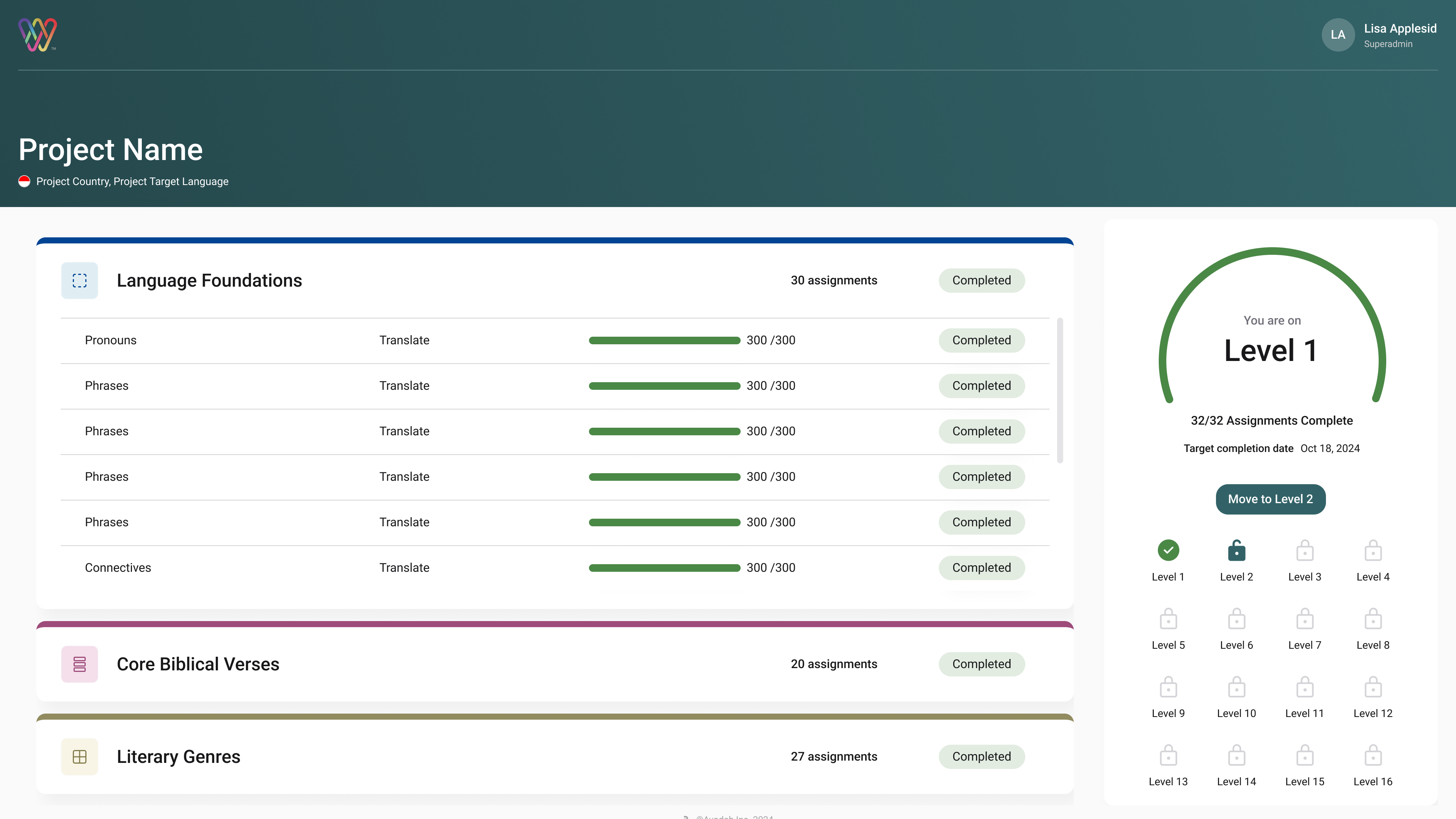
Contributors faced a long and complex translation process, so I designed a guided workflow that broke work into manageable milestones, unlocking each step as contributors progressed to make the experience feel achievable rather than overwhelming.
Design Ownership
- Sole designer partnering 1:1 with the Product Manager from requirements through delivery
- Led the end-to-end redesign of a multi-role platform for administrators and contributors
- Designed administrator and contributor workflows with AI-assisted experiences
- Extended and evolved the shared design system as new product patterns emerged
- Documented detailed interaction requirements, behaviors, and edge cases in Figma to support engineering handoff
- Validated features through bi-weekly stakeholder reviews
Platform Highlights
- Released across 6 countries with support for 20 languages
- AI-assisted translation paired with collaborative human review
- Multi-role platform supporting administrators and contributors
- Guided translation workflow with progressive task completion
- Scalable platform supporting complex translation projects
- End-to-end workflow spanning project management, translation, review, and approval